Every few weeks, a family calls us at 4 in the morning saying "bhaiya, we want to do Ashtavinayak darshan, can you be ready by 5?" We always say yes. We've done this yatra hundreds of times: with joint families, elderly aajoba-aajis, office colleagues doing it as a group, and couples on their first pilgrimage together. Here's what we've learned about doing it right.
The 8 Temples: Where They Are and What Makes Each One Different
1. Moreshwar (Mayureshwar), Morgaon — 55 km from Pune
Start here. This is the mukhya sthan of the Ashtavinayak circuit, the most important temple,, where the yatra traditionally begins and ends. The Ganpati here is in a sitting pose with the trunk turned right, considered especially auspicious. The temple is well-managed; get there by 6–7 AM for a peaceful darshan before the morning crowd builds. The lane leading to the temple has good prasad stalls. Pick up modak here.
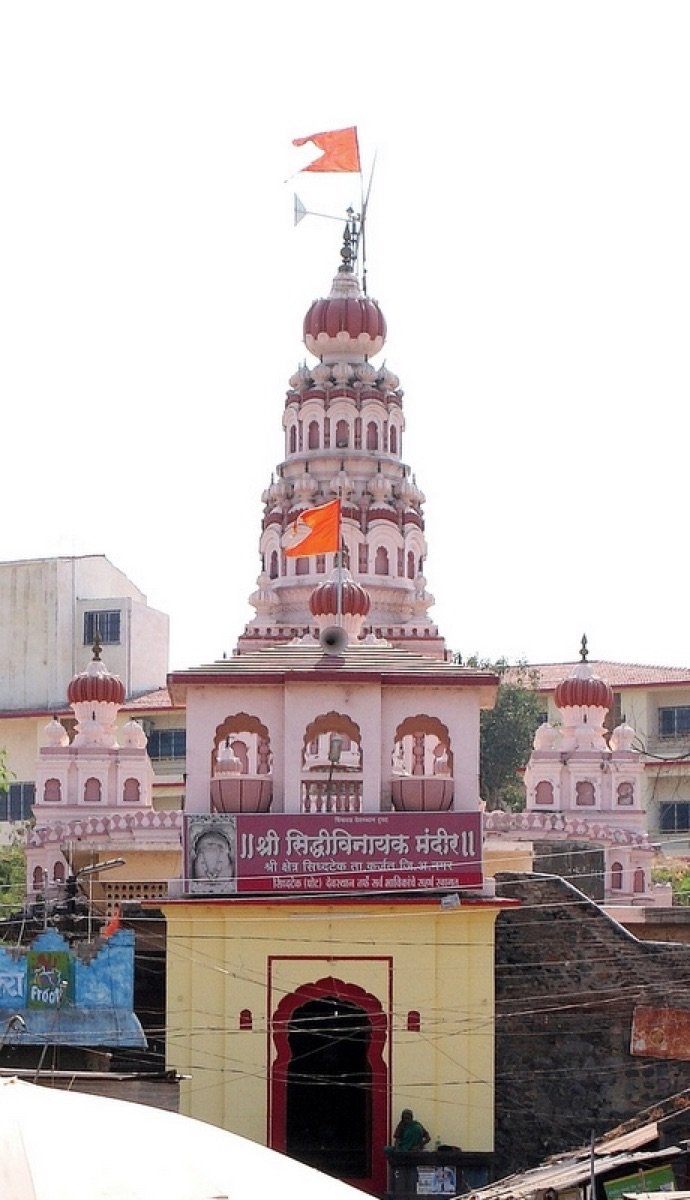
2. Siddhivinayak, Siddhatek (90 km from Pune)
On the banks of the Bhima river. This is the only Ashtavinayak Ganpati whose trunk curves to the right side. The murti faces north, which is unusual. Legend has it Vishnu regained his shakti here. The riverbank view from the temple ghats is peaceful. Spend a few minutes there after darshan.
3. Ballaleshwar, Pali (110 km from Pune)
The only temple in the Ashtavinayak circuit named after a devotee, not a form of Ganesha. Ballal was a young boy whose bhakti was so pure that Ganpati Himself appeared. The temple is set in the hills near Khopoli. The drive to Pali goes through nice ghat scenery. Reach before 9 AM if you want to avoid queues.
4. Varadavinayak, Mahad (120 km from Pune)
Known as the granter of boons. The lamp inside this temple has been burning continuously for 200+ years. That's the thing that stays with most people. Mahad itself is a small town; the temple area is calm and not as crowded as Morgaon or Theur on regular days.
5. Chintamani, Theur (25 km from Pune)
The closest to Pune and often done first or last depending on your route. Peshwa Madhavrao meditated here. The temple has strong Peshwa-era history. If you're short on time, Theur plus Ranjangaon makes a good half-day combination from Pune.
6. Girijatmaj, Lenyadri (95 km from Pune)
The most unusual temple of the eight: it's inside a cave, carved directly into a rock face on a hill near Junnar. You climb 307 steps to reach it. Not tough for a healthy adult, but plan extra time if you're travelling with elderly family members. The hilltop view over the Kukdi valley is genuinely beautiful. Bring water for the climb.
7. Vighnahar (Vighnaharta), Ozar (85 km from Pune)
The remover of obstacles. Near Junnar, so if you're doing Lenyadri, Ozar comes right after. The temple has a gold-plated shikhar — it catches the light beautifully in the morning. On festival days the queues can be very long; a weekday darshan is far more comfortable.
8. Mahaganapati, Ranjangaon (50 km from Pune)
The largest murti in the Ashtavinayak circuit. Lord Ganesha here is depicted with 10 trunks and 20 arms. The temple has a spacious premises and good facilities. Often done as the last temple on the circuit before returning to Pune.
How Many Days Does It Take?
Honestly, one day is possible but it's long — you're looking at 14–16 hours, 350+ km of driving, and quick darshanat each temple. Fine for younger groups who want to power through, but not comfortable for families with elders or children.
Two days is the sweet spot for most people:
- Day 1: Morgaon → Siddhatek → Pali → Mahad (overnight at Mahad or Pali)
- Day 2: Theur → Lenyadri → Ozar → Ranjangaon → return to Pune
Three days works well if you have elderly family members or want to take it slowly, do proper puja at each temple, and not rush.
Timing and Crowd Advice
- Avoid Tuesdays and Saturdays — these are the most crowded days at all temples
- Ganesh Chaturthi week: Extremely auspicious but expect very long queues (2–4 hours at major temples)
- Best window: October to February — weather is comfortable, roads are clear
- First darshan: Aim to reach the first temple by 6–6:30 AM. The cool morning air and smaller crowd makes the experience much better
Food on the Route
Our drivers eat on this route all the time, so this is genuinely tested:
- Morgaon: Small shops near the temple sell good poha and upma in the morning. Get the fresh modak prasad.
- Siddhatek: Simple dhabas near the river. The pohe here are unusually good.
- Pali: The area near Khopoli has a few decent lunch options — Kolhapuri-style thali places.
- Mahad: Proper town, good food options. Try the puran poli at any of the temple-area shops.
- Lenyadri/Ozar area (Junnar): Basic but clean dhabas. Carry biscuits and water for the Lenyadri climb.
Booking a Cab for Ashtavinayak
We strongly recommend a cab over driving yourself — not because of safety necessarily, but because the route zig-zags across different districts and temple parking on busy days is a headache. With a cab, you step out, do darshan, step back in, and the driver handles the rest.
For a one-day yatra, an SUV (Ertiga) or Prime SUV (Innova) is better than a sedan — you'll be in the car for 14+ hours and the extra space genuinely matters for that many hours. For two or three days, a sedan works fine.
Rough fare guide for Ashtavinayak from Pune
- One-day circuit (all 8 temples, ~350 km): ₹4,999 sedan / ₹6,499 SUV
- Two-day circuit with overnight: ₹7,999–₹8,999 depending on vehicle (accommodation extra)
- Custom / partial circuit: Call us and we'll price it based on temples and days
Tolls are extra (roughly ₹400–₹600 for the full circuit). No advance payment — you pay the driver at the end.
We do Ashtavinayak yatras regularly. Book online or WhatsApp us with your dates and group size and we'll suggest the right cab and route. Call +91 73854 75784 if you need to plan the itinerary in detail.