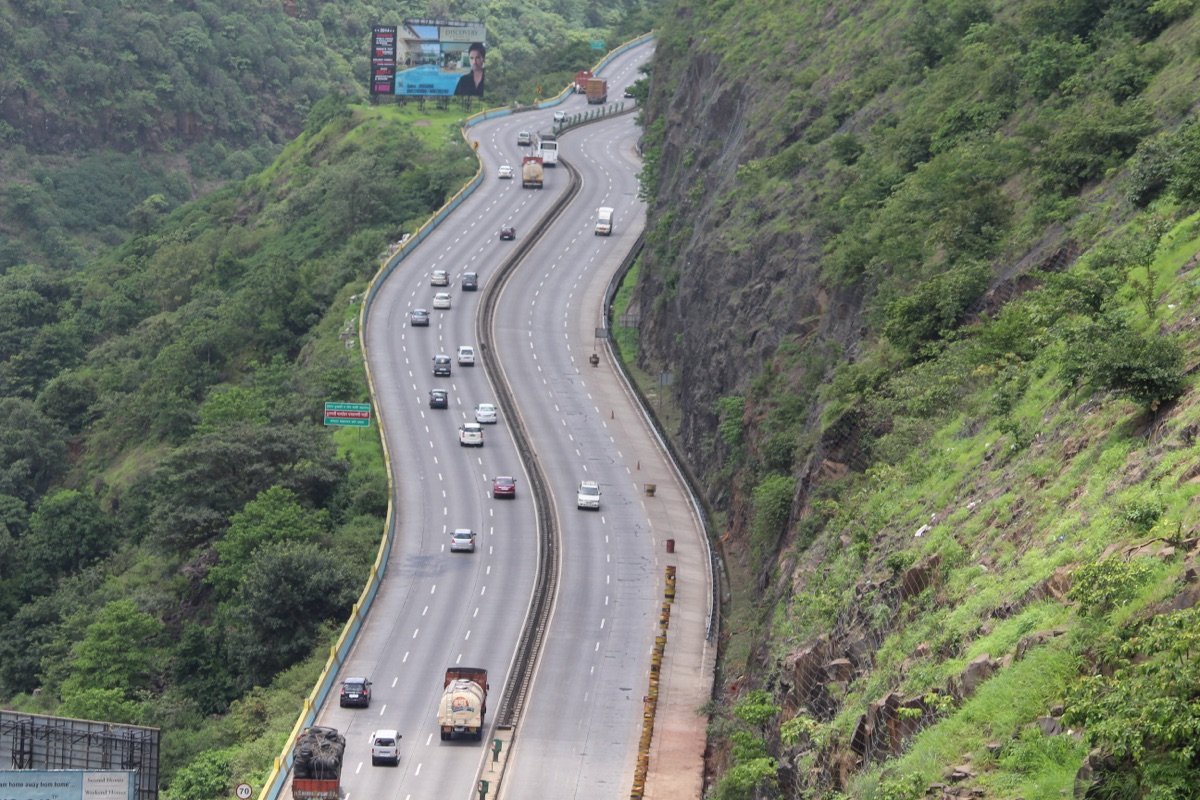
The Pune–Mumbai expressway is 94 km of toll road that can take anywhere from 2.5 hours to 5 hours depending entirely on when you're travelling. Anyone who drives this route regularly knows: the road is fine, it's the timing that makes or breaks the trip. Here's what we've observed from years of doing this daily.
The Timing Rules That Actually Matter
Friday evening: avoid if you can
Friday after 4 PM is the worst time to drive from Pune to Mumbai, and Saturday morning from Mumbai to Pune. The expressway crawls through Khopoli and around the Talegaon toll. What should take 3 hours can easily take 4.5 to 5. If you must travel Friday evening, leave Pune before 2 PM or after 9 PM.
Sunday evening heading to Pune: add an hour
Everyone heading back from Mumbai or Lonavala on Sunday evening. The Khalapur toll and the Talegaon stretch slow down significantly between 5 PM and 9 PM. If you can catch a 3 PM departure, you typically miss the worst of it.
Early morning is almost always reliable
5–7 AM departures from either city are consistently the cleanest. You hit the expressway before the morning office traffic, the ghats look beautiful in that light, and you're in the destination city before the day gets complicated. If you have a flight, a meeting, or a train connection, this is the window to target.
Season-by-Season: What to Actually Expect
October to February: The Best Time to Travel This Route
This is when the Pune–Mumbai drive is genuinely pleasant. The air is clear, the hills around Khandala look sharp, and you can roll down the windows somewhere along the ghat section without instantly regretting it. December and January see more holiday traffic, especially around Christmas and New Year — the Lonavala stretch has noticeably more cars on those weekends. But even then, an early morning departure handles it.
One thing to watch in December–January: fog near Khopoli and at the higher ghat sections, typically between 5 and 7 AM. Visibility drops sometimes. It clears quickly, but if your driver isn't used to it, it can be unnerving. Our drivers know this stretch well.
March to May: Fine to Travel, Just Start Early
Dry, clear, straightforward driving. The expressway doesn't have much shade and the afternoon sun hits the car hard, but if your cab has working AC, it's mostly a non-issue. Traffic is actually lighter than winter in many windows because it's not holiday season. If you're travelling in May and have the flexibility, morning departure keeps things comfortable. Driving this at 2 PM in peak summer is simply hot; not dangerous, just uncomfortable.
June to September: Beautiful and Unpredictable
There are two very different monsoon experiences on this route:
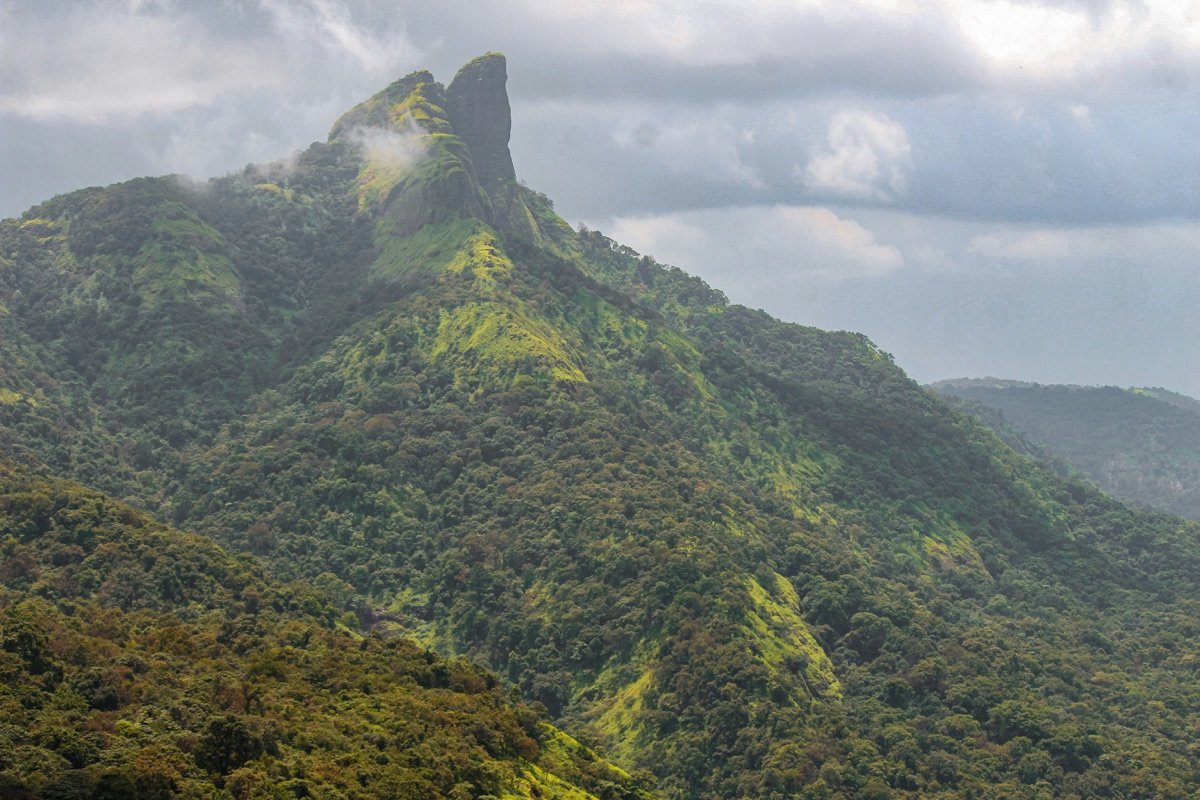
The scenic one — when the ghats are green and waterfalls are coming off the cliffs on both sides of the road, there isn't a more beautiful version of this drive. If you've only done the expressway in January, you haven't really seen what this corridor looks like. Pull over at one of the viewpoints near Khandala on the old highway and you'll understand why people specifically plan monsoon drives.
The problematic one — heavy rain reduces visibility, the road gets slick near the ghat sections, and Mumbai's eastern suburbs waterlog regularly in July–August. We've had trips where we took 5+ hours because the Sion–Panvel approach was completely jammed due to flooding. If you need to be somewhere at a specific time during peak monsoon, build in buffer. And if there's a heavy rain warning (red/orange alert) for either city, it's worth reconsidering the timing.
We always check the IMD forecast before monsoon trips and WhatsApp the customer if there's a likely delay. That's just sense on this route.
The Ghat Section: Old Highway or Expressway?
Most of our trips use the expressway (Mumbai–Pune Expressway / NH-48). It's faster and the surface is maintained. The old Mumbai–Pune highway through the ghats is slower but more scenic — some customers specifically ask for it, especially for a morning drive with chai and views near Lonavala. If you're not in a hurry and want to see the hills, the old road is worth it. We're happy to take either, just mention it when you book.
Festival and Long Weekend Traffic Spikes
These are the dates that reliably create extra traffic:
- Diwali: Two days before and two days after — people visiting family in both cities. Mumbai–Pune on Diwali day itself is usually surprisingly clear though.
- Ganesh Chaturthi: Visarjan days. Mumbai gets heavy, the Pune–Mumbai road gets busier in the days leading up to it.
- New Year's Eve to Jan 2: Lonavala and Mumbai hotels fill up; the expressway sees high volumes on Dec 31 afternoon and Jan 1 evening.
- Holi: Morning is quiet; afternoon return traffic from weekend parties in both cities is heavy.
None of these are unavoidable — just plan an early morning departure and most of it goes away.
The Simple Answer
Travel early in the morning, avoid Friday evenings and Sunday evenings, and check the weather before any monsoon trip. That covers 90% of what timing knowledge actually gives you on this route.
Need to get from Pune to Mumbai or the other way round? Book your Pune to Mumbai cab or Mumbai to Pune cab online, or WhatsApp us. Tell us your time, we'll tell you if there's a better window to leave. Call +91 73854 75784 for last-minute bookings.